

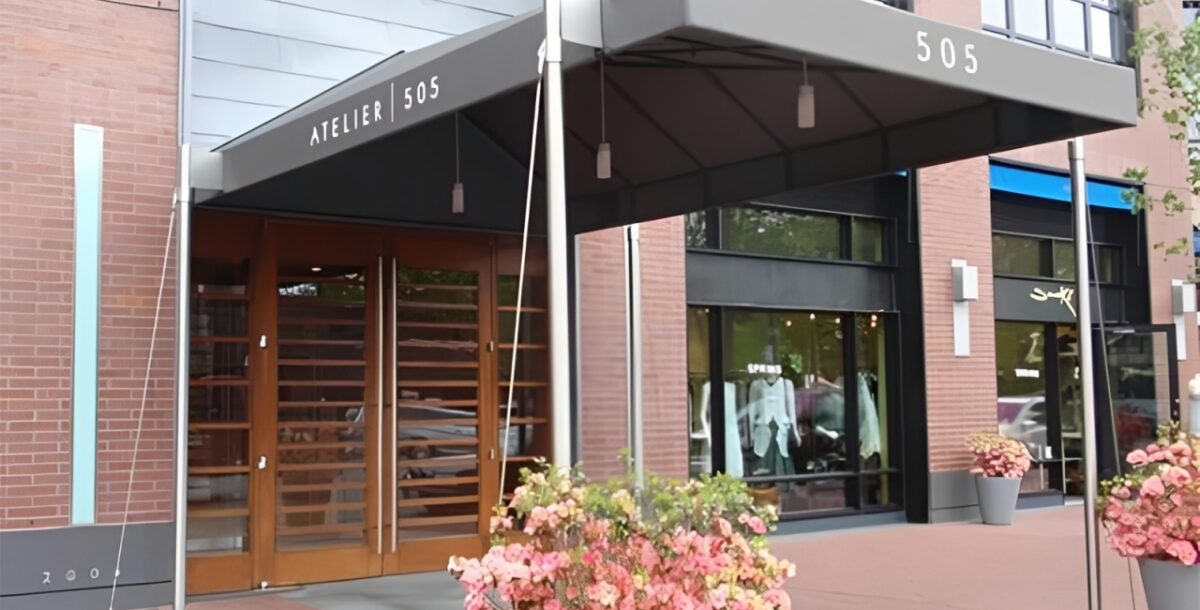
When someone approaches a commercial property, the experience begins before they walk through the door.
Long before they read a directory sign or interact with a tenant, they notice the entrance. The scale. The materials. The way the building welcomes them in.
That’s where fabric canopies make a measurable difference.
For commercial properties across the Boston metro area, fabric canopies do more than provide shade. They define entry points, reinforce brand identity, improve tenant visibility, and protect high-traffic areas from New England weather. When designed correctly, they become an architectural asset—not just an accessory.
If you’re planning a new development, repositioning an existing property, or upgrading a retail storefront, here’s what you should consider before specifying a commercial fabric canopy.
What Are Fabric Canopies — And Where Are They Used?
Fabric canopies are tensioned or framed fabric structures installed over entrances, walkways, storefronts, and building facades. Unlike rigid metal or glass overhangs, they offer design flexibility, brand integration, and cost-efficient coverage.
In commercial settings, they are commonly used for:
- Retail storefront entrances
- Multi-tenant developments
- Healthcare and medical buildings
- Hospitality properties
- Educational institutions
- Mixed-use urban projects
For property managers and developers, canopies serve two key purposes: architectural enhancement and functional performance.
Why Fabric Canopies Matter for Commercial Properties
1. Stronger Visual Presence from the Street
In competitive commercial corridors, visibility drives traffic.
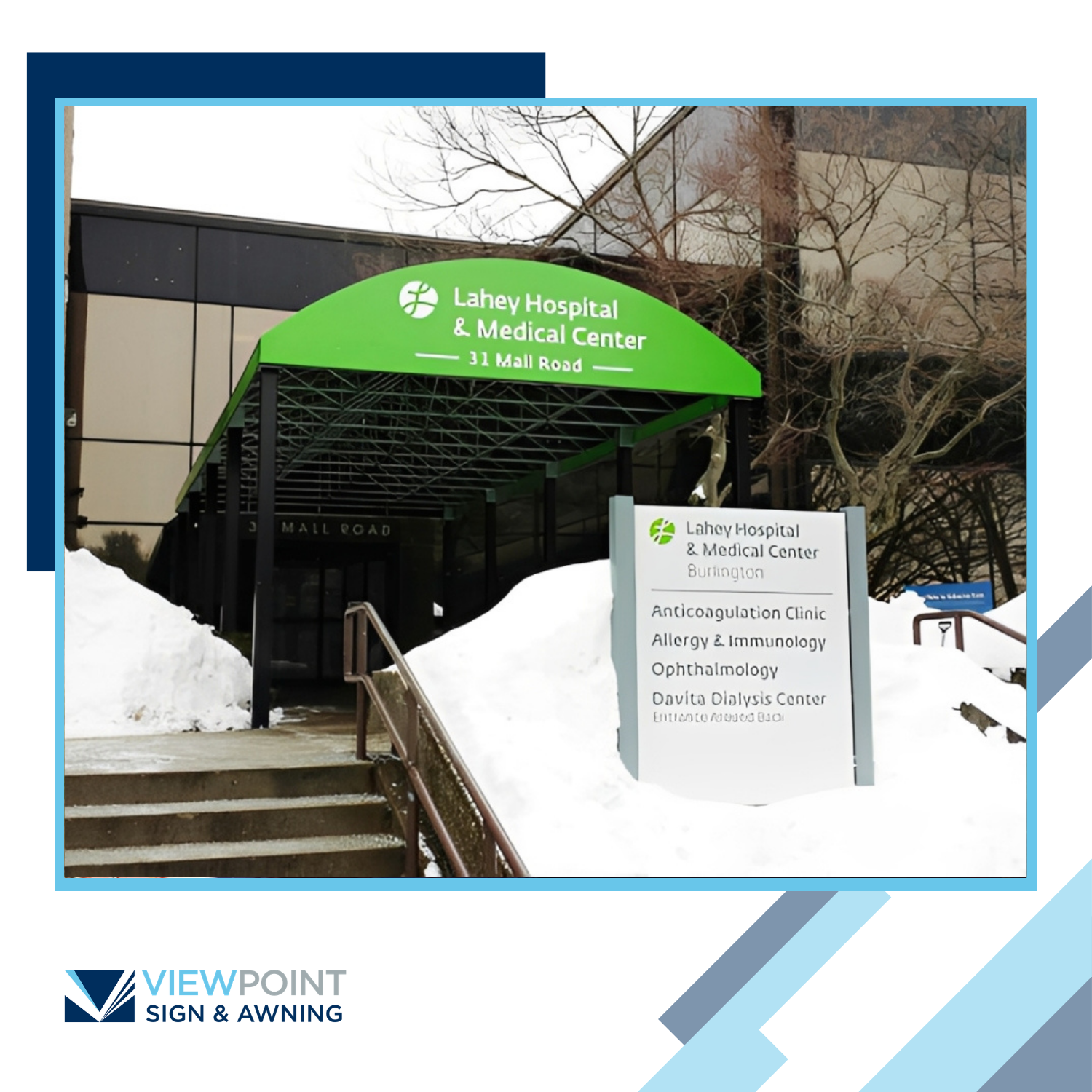
A well-designed canopy draws the eye, breaks up flat façades, and makes entrances immediately identifiable from a distance. In urban Boston neighborhoods especially, where storefronts compete for attention, canopy color, typography, and placement can significantly improve curb appeal.
For multi-tenant buildings, they also create hierarchy—clearly defining primary and secondary entrances.
2. Improved Tenant Experience
Fabric canopies provide practical protection from rain, snow, and harsh sun. In New England, that matters.
Covered entryways:
- Protect customers during storms
- Reduce snow and ice buildup at entrances
- Improve pedestrian comfort
- Extend the lifespan of doors and façade materials
When visitors feel comfortable entering a building, it improves their overall perception of the property and the businesses inside.
3. Built-In Branding Opportunities
Fabric canopies allow for integrated branding without requiring additional signage.
Through:
- Custom colors
- Printed or sewn-in logos
- Clean typography
- Coordinated materials
A canopy becomes a 24/7 branding asset. For retail and hospitality tenants, this reinforces identity. For developers, it ensures design consistency across the property.
Key Design Considerations Before You Specify a Fabric Canopy
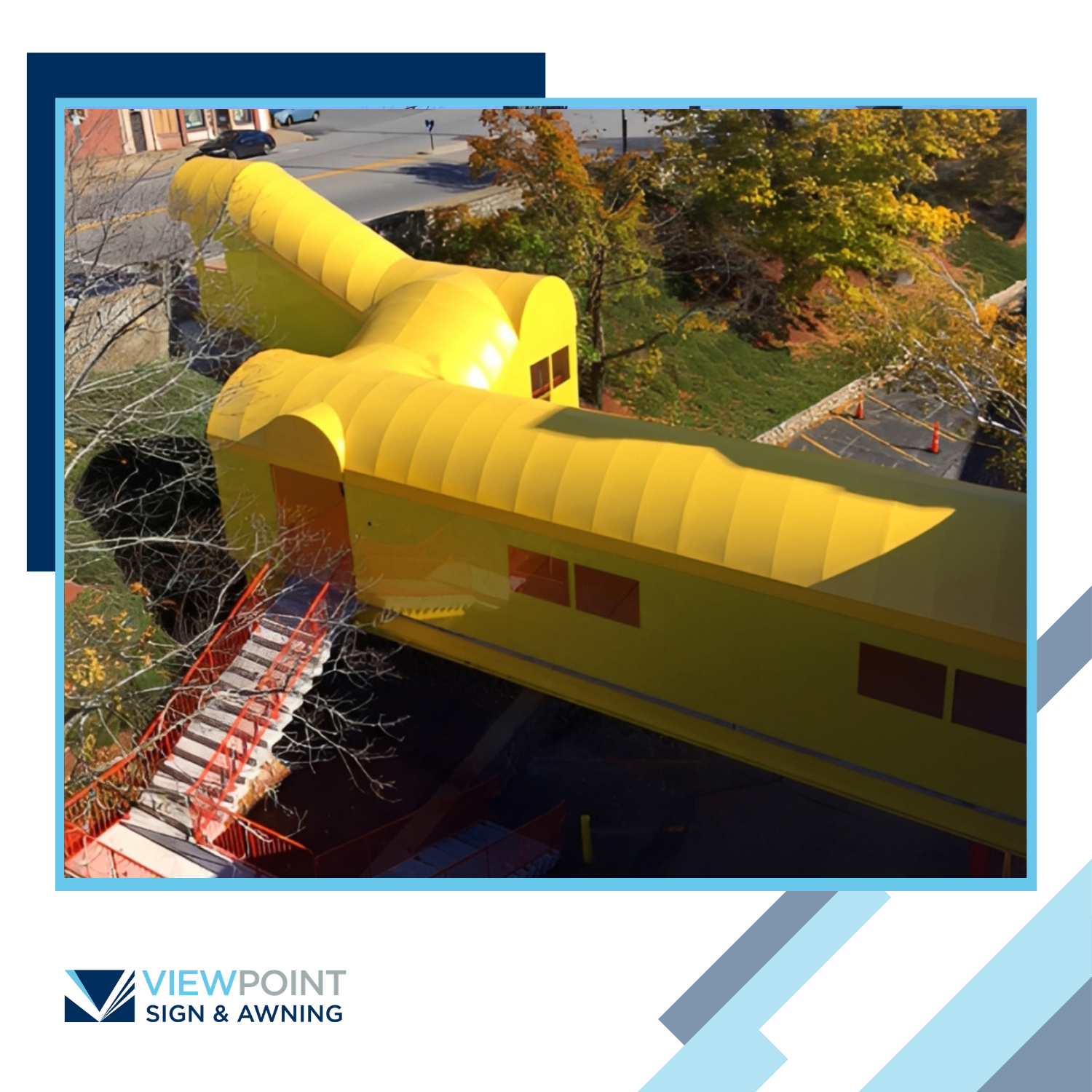
Specifying a canopy involves more than choosing a color and size. Commercial projects require careful coordination between design, engineering, and permitting.
Here are the most important considerations:
A. Structural Support & Wind Load
Boston weather includes coastal winds, heavy rain, and snow accumulation. Fabric canopy systems must meet local wind load requirements and be engineered for long-term performance.
B. Material Selection
Not all fabrics perform equally. High-performance commercial fabrics are:
- UV resistant
- Fade resistant
- Mildew resistant
- Designed for long-term tension retention
Choosing commercial-grade materials ensures durability and reduces replacement cycles.
Snow & Drainage Planning
Improper drainage design can cause pooling, sagging, or structural stress. Proper pitch and water management must be accounted for early in the design process.
Lighting Integration
Integrated lighting enhances visibility at night and improves safety. Coordinating canopy placement with building-mounted or recessed lighting ensures cohesive design and code compliance.
Branding & Typography Placement
Logo size, font legibility, and contrast matter. Canopies must be readable from appropriate viewing distances without overwhelming the façade.
Early design collaboration helps avoid costly revisions.
Fabric vs. Rigid Canopies: When to Choose Each
Both fabric and rigid canopy systems serve valuable roles in commercial design. The right choice depends on your property goals.
Fabric Canopies
- More flexible branding integration
- Lighter visual footprint
- Typically lower upfront cost
- Easier updates or re-skinning
Rigid (Metal/Glass) Canopies
- More permanent architectural statement
- Greater snow load capacity in some applications
- Minimal fabric maintenance
For many retail and mixed-use properties, fabric canopies strike the ideal balance between aesthetics, performance, and budget.
Permitting & Local Compliance in Massachusetts
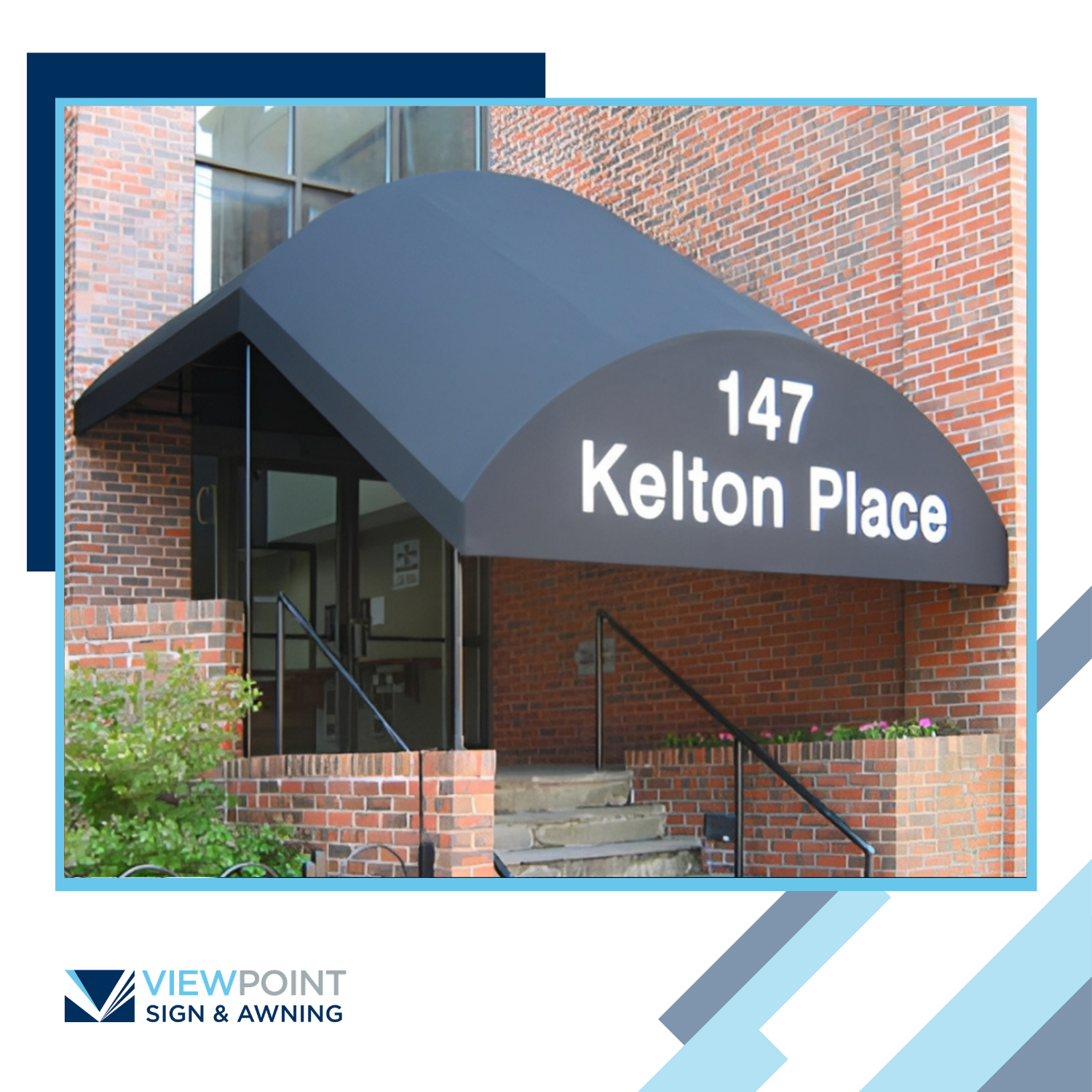
In the Boston metro area, canopy installations often require permitting and zoning review.
Factors that may impact approval include:
- Historic district guidelines
- Signage restrictions
- Projection limits over sidewalks
- Structural attachment requirements
- Fire code considerations
Working with a full-service signage and canopy partner simplifies this process. Coordinated design, permitting documentation, fabrication, and installation reduce delays and prevent compliance issues.
Why Developers & Property Managers Partner with ViewPoint
Fabric canopy projects are most successful when design intent and technical execution align.
At ViewPoint Sign & Awning, we support commercial projects from concept through installation by providing:
- Collaborative design consultation
- Engineering coordination
- Permitting support
- Fabrication expertise
- Professional installation
Our goal is to make the process efficient for architects, developers, and property managers—while delivering canopy systems that enhance both performance and visual impact.
Because a canopy shouldn’t just cover an entrance. It should elevate it.
Planning a Commercial Fabric Canopy Project?
If you’re evaluating canopy options for a new development or property upgrade, our team can help you assess design considerations, material options, and local permitting requirements.
Request a project consultation to discuss your goals and timeline.